Three Card Poker Explained for Australian Players Who Want Clarity
If you have ever sat at a live table and watched the dealer shuffle three cards, you have probably wondered how the payouts stack up against standard table games. Three card poker explained properly means understanding the ante-play split, the straight ranking, and where the house keeps its edge. This walkthrough walks you through the flow from deposit to payout, with a focus on how the cashier and verification steps shape the real experience for an Australian adult sitting down to play.
How the table actually runs

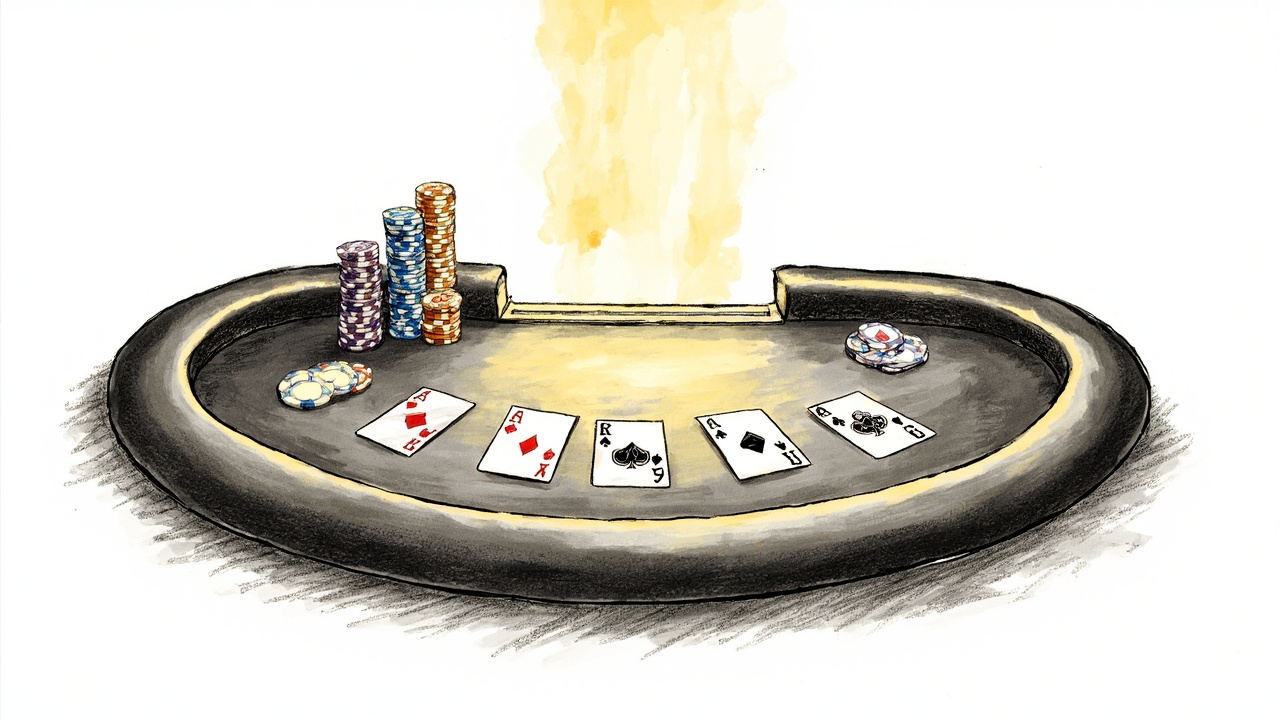
The game opens with an ante and a pair plus wager, and you decide whether to fold or raise after seeing your three cards. The dealer needs at least a queen high to qualify, and if they miss, you collect on the ante at one to one while the raise pushes. Those chip colours you see on the felt are broadly standardised across venues: white ($1), red ($5), green ($25), and black ($100), so the buy-in feels familiar even when the rules shift slightly. When you move online, the same logic carries through, but the cashier becomes the real gatekeeper. A practical path through the interface matters more than flashy graphics, and that is where a solid operator earns its keep. You can compare how a local brand handles the hand rankings and payout table at https://wheres-the-gold-au.com before you commit any bankroll, because the way a site presents the odds and the bonus terms tells you a lot about how they treat players after the first deposit.
Payments, verification, and withdrawals in practice
The first time you load funds, the flow usually feels straightforward until the verification step appears, and that is where the real timeline gets set. Australian players typically see AUD as the default currency, with Visa and Mastercard sitting alongside a few e-wallet options that suit a quick top-up in the arvo. Processing on deposits is usually near-instant, but withdrawals run on a separate clock once the operator has confirmed your identity and payment method. A common pattern is a same-day or next-business-day review for the first cash-out, followed by faster turnaround once your profile is marked as verified. Limits vary by method, and the operator usually sets a weekly or monthly ceiling that you can view in the cashier before you request a payout.
I have managed content for iGaming publishers long enough to know that the withdrawal flow is the moment a brand proves its service, not the welcome screen. When I reviewed a regional New South Wales operator’s cashier a few years back, the verification queue was the bottleneck, not the payment rail itself, and that is the kind of detail worth weighing before you chase a bonus. Olivia Williams, Commercial Director, Red Centre Analytics, puts it plainly: “The operators that keep verification transparent and publish realistic processing windows tend to keep players longer, because the cash-out is where trust gets tested.” That judgement lines up with what I have seen across live tables and digital cashiers alike, where a clear limit and a named processing window beat vague promises every time.
A small tournament structure can change the rhythm entirely, because the prize pool and the re-entry rules shift how you manage your bankroll across a session. If you want to see how that format plays out in a live setting, the breakdown in “Three Card Poker Tournaments at Cazeus Casino” covers the usual entry fee, blind structure, and payout tiers that matter when you are chasing a pool rather than a single hand. For a quick reference on the basics that carry across most operators, the table below keeps the key facts in one place.
| Detail | What you typically see |
|---|---|
| Currency | AUD default, with USD and EUR often available |
| Deposit methods | Visa, Mastercard, select e-wallets |
| Withdrawal timeline | First cash-out reviewed within one to two business days, then faster once verified |
| Verification | ID, address, and payment method confirmation before the first payout |
| Bonus mechanics | Match on first deposit, with wagering that applies to bonus funds before withdrawal |
The bonus side deserves a careful read because wagering requirements can quietly turn a generous-looking offer into a slow drain if you are not tracking them. A match on your first deposit usually comes with a rollover that applies to the bonus portion before you can withdraw, and the game weighting on three card poker can differ from slots or table games depending on the operator’s terms. I have seen enough bonus terms to know that the clearest operators spell out the weighting and the max bet limit during play, because those two lines decide whether a bonus helps or just sits there. Lucas Parker, Head of Product, Southern Star Esports, notes that “when the bonus terms are written in plain language and the wagering applies consistently across the cashier, players can actually plan a session instead of guessing.” That kind of design matters more than a headline number, especially when you are comparing a few sites before you deposit.
Who this game suits and where it fits
Three card poker suits a player who wants a fixed decision point, a quick hand, and a payout table they can read in a minute. It is not a game for someone chasing long streaks or complex strategy, because the raise-or-fold choice is the main lever and the rest is down to the deal. The pace suits a quiet session on mobile or desktop, and the standard chip values keep the stakes readable if you are moving between online and live play. If you prefer a game where the house edge is visible and the rules do not shift mid-session, this one fits that brief without pretending to be anything else.
For a regional New South Wales player who wants a game that feels familiar at the felt and predictable online, the combination of a clear payout table, a transparent cashier, and a bonus that does not hide its wagering is the real selling point. I would rather see a modest offer with honest terms than a loud one that falls apart at the cash-out, and that is the comparison I keep coming back to when I weigh a new operator. Aaron Nelson, Strategy Director, Swan River Interactive, sums up the fit neatly: “Three card poker works best for players who want a short, rules-light session and a cashier they can read without a glossary.” That is the kind of practical fit that matters more than any flashy label.
If you are weighing a first deposit, the smart move is to read the payout table, check the withdrawal timeline, and make sure the bonus terms do not clash with the way you actually want to play. Three card poker explained properly is really about knowing where the edge sits, how the cashier behaves, and whether the operator’s process matches the pace you want on a Tuesday night or a slow arvo. Three Card Poker Tournaments at Cazeus