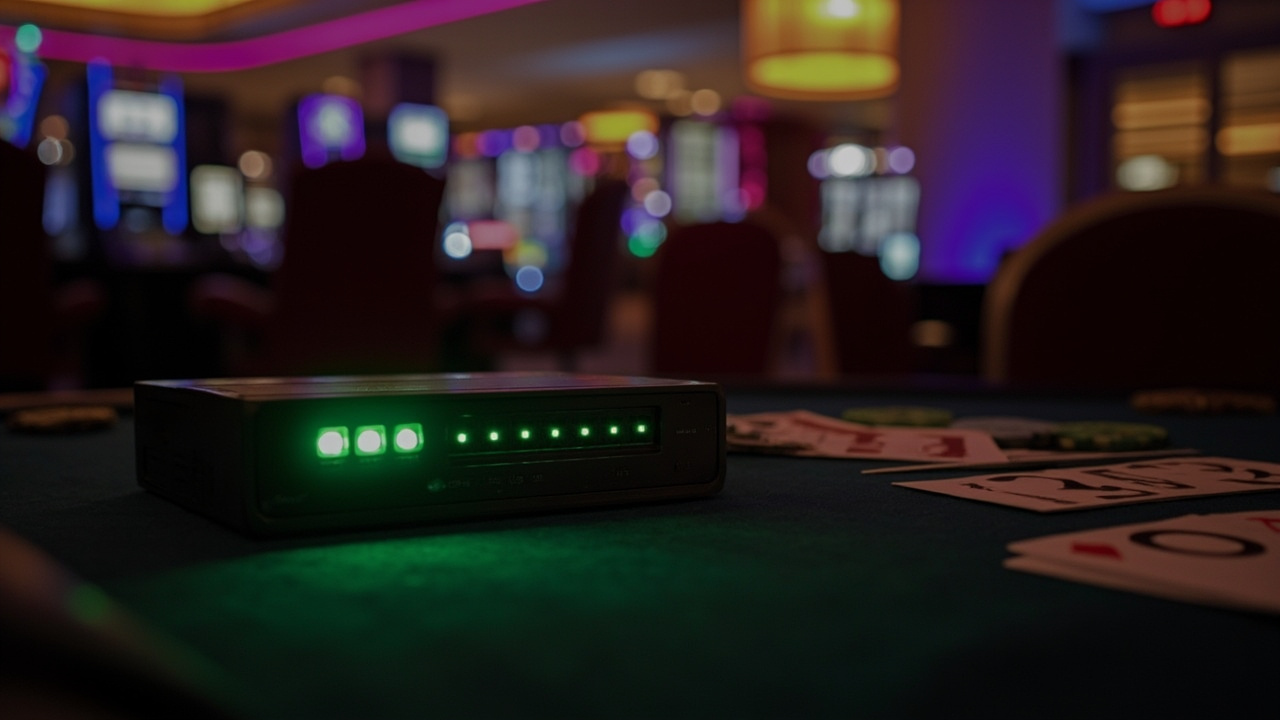
Live blackjack lag can turn a sharp decision into a missed window, especially on mobile data across Canberra. The issue is rarely poor card knowledge; it is how the casino’s studio, game server and dealer feed handle timing. Good live blackjack lag tips focus on table choice, connection quality, bet controls and cash-management discipline. This guide explains what actually matters for Australian players without pretending any system removes the house edge or guarantees a win.
Reading Live Blackjack Table and Lobby Signals

A strong live blackjack lobby should make table speed, rules and availability visible before you commit a chip. For Australian adults who want quick sessions, the best signal is not a flashy badge but whether the interface clearly distinguishes low, standard and high-limit tables, shows the current waiting position and lets you filter by blackjack variant.
Live blackjack lag tips start with the feed itself. A frozen shoe, repeated taps or dealer prompts arriving late can reveal congestion. Pause if the betting timer freezes, because your decision window may already have closed on the server. Likewise, check that the on-screen total matches the physical cards and table history before doubling or splitting.
The catalogue should also include enough choice to suit different bankrolls. A practical mix might include a $2-$10 low-limit table, a $20-$100 standard table and a $200-$500 high-limit room, with AUD displays throughout. If the lobby hides stakes behind extra menus, that is a sign speed has been sacrificed for presentation.
Search and table organisation deserve equal attention. Useful filters include minimum stake, maximum stake, rule set, dealer standing behaviour and number of seats occupied. Titles such as “fast-paced live blackjack” help experienced players, but the underlying feed matters more than the label. Likewise, a provider switch should preserve familiar controls; changing studios should not mean relearning every button.
Players comparing welcome offers can inspect the terms at joe fortune casino no deposit, then return to the lobby to test whether the promoted table actually handles their connection. Availability and eligibility must be confirmed in the operator’s terms. Offshore services are not automatically licensed or regulated in Australia, so verify the operator’s legal status for your location before depositing.
Turning Table Conditions Into Player Decisions
Measure delay before raising your stake
Start with a small, repeatable stake and record three things: how quickly the betting timer updates, how long the shoe takes to deal, and whether the video stays aligned with the game controls. Use Wi-Fi where practical, keep other downloads paused and stay close to your router in Canberra if broadband is stable. Mobile 5G may be better during a busy household arvo, but only if reception remains consistent.
Do not confuse a short pause with lag. Live studios add brief pauses for dealer actions, payment confirmations and server handshakes. Actual lag usually shows as a visible gap between the prompt, the cards and your betting clock, or as a timer that briefly freezes. If that happens twice in one round, step away rather than trying to compensate with bigger bets.
Match limits to your session plan
Suppose your chosen table runs from $5 to $500. Treat the minimum as the calibration price: use it to test the feed, not to chase a loss. Set a personal session cap, such as $100, and divide it into 20 units of $5 before joining. This creates a clear stopping point without confusing a losing streak with a technical problem.
A decent bonus should reward sensible play rather than push immediate deposits. Invented terms here are straightforward: a 100% first-deposit match up to $300, with a 20x wagering requirement on the bonus, a seven-day expiry and a maximum bonus bet of $5. A $10 cashback offer could apply after $150 in qualifying losses during the week, capped at $30. Always check whether live blackjack contributes to the wagering requirement; many products apply a reduced game contribution.
A useful comparison is offered by Cameron King, Head of Analytics, Waratah Digital Group: “A fast table is valuable only when the betting clock, video feed and settlement record stay in sync.” That is a better benchmark than a vague promise of instant action.
Apply Lag Rules Around Player Needs
Your connection, table rules and bankroll should operate as one system. Players with slow mobile coverage need a longer decision window, but they should not use lag as an excuse to delay indefinitely. Set a personal response target, such as ten seconds for the main decision, and keep the session moving if the table behaves consistently.
Bankroll discipline is especially important when every round feels rushed. A $20 minimum table may seem harmless, but 30 bets at $20 is $600 in turnover, not a $20 session. By contrast, a $5 table with the same bankroll permits more observations and reduces the pressure created by an unstable feed.
Low-limit tables often carry fewer rule variations, while premium tables may offer blackjack pays 3:2, five/seven/eight-card hands, and dealer stands on soft 17. The catalogue also needs slots and other table games so the lobby does not feel thin, but the live blackjack area should remain easy to navigate. Search by stake, provider or table name; do not bury the live section beneath generic casino categories.
For comparison, players interested in tempo may also read about fast-paced live blackjack rounds. The practical point is not that every fast table is better. It is that a quick dealing pace is only useful when controls, video and settlement remain synchronised.
Benjamin Taylor, Head of Product, Ironbark Compliance Advisory, adds this caveat: “Players should be able to see the operating licence, betting limits and responsible-play tools before they fund an account.” These details are separate from feed speed, yet all affect whether a session is controlled and transparent.
Support should be available through live chat and email from 8:00 am to 2:00 am AEST, seven days a week. It should handle connection disputes and explain whether a disputed hand was settled correctly. A $25 loyalty credit could be issued after qualifying turnover, with a maximum weekly earn of $100.
Useful terms in this guide include:
- Betting clock: The timer showing how long you have to act.
- Feed lag: Delay between the live table action and the on-screen game state.
- Low-limit table: A live table with small minimum stakes, such as $2-$10.
- Bankroll cap: The maximum amount you have chosen to spend in one session.
- Game contribution: The portion of a wager that counts toward bonus wagering requirements.
Clear Player-Fit Verdict
Live blackjack lag tips are most useful for disciplined adults who want quick, transparent tables on a stable connection and can recognise when timing has slipped. Look for clear stakes, visible rules, responsive betting clocks and a useful support record; avoid any operator that pressures you to deposit before checking eligibility or legal availability in Australia. Choose a low-limit table for feed testing, keep your session cap firm and leave if the controls no longer match the dealer. No lag tip can promise better cards or safer returns, but it can reduce costly errors and keep the experience under control.