When chasing the biggest payouts on the floor, most punters focus on the single night rather than the trend. As a producer who has run live tables and digital floors, I treat a jackpot as a long-term yield issue, not a lucky arvo. You want to know whether a machine is truly paying out or just cycling through noise. That mindset matters more than any flashy sign.
Reading the Numbers Behind Big Payouts
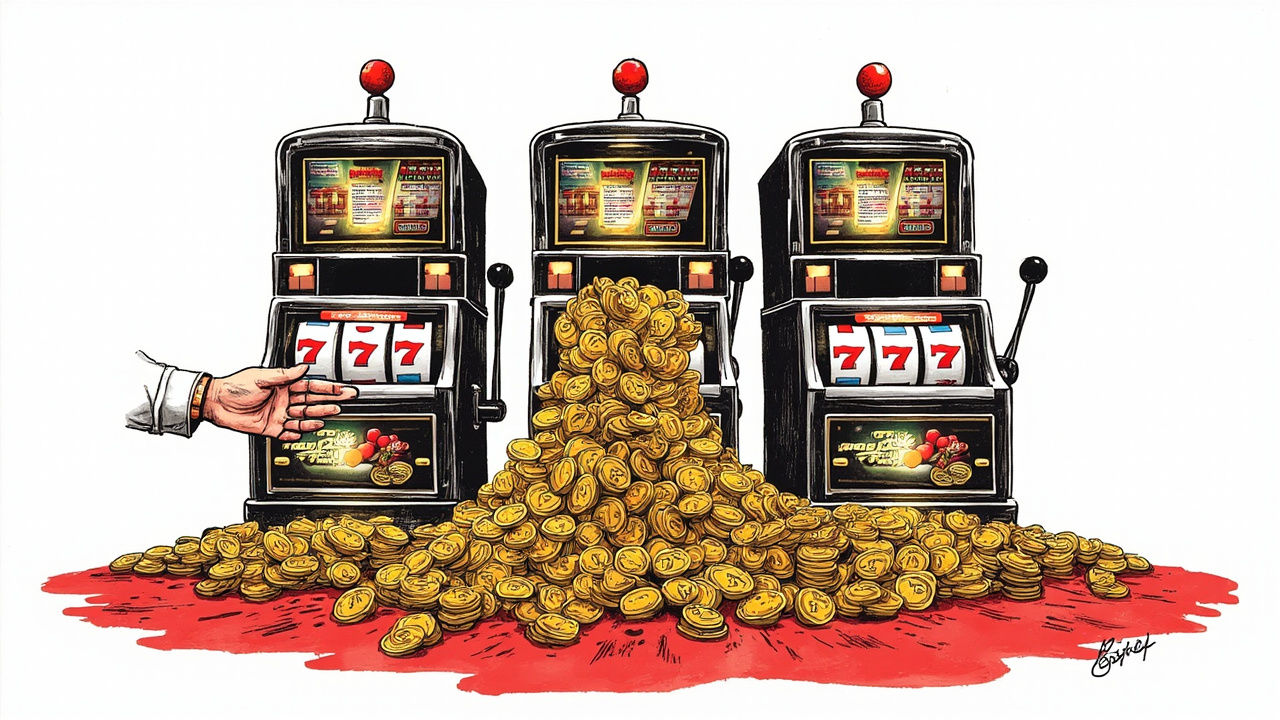
The first question to weigh is whether the published win data actually reflects player outcomes. A single massive hit can skew perception for weeks, especially when the media picks it up. From a game math perspective, I look at the hold percentage over a rolling window, not the headline figure from one spin. If a venue or platform reports a large jackpot without context on play volume, the number is almost meaningless for decision-making. Real value comes from seeing how often the top tier triggers relative to total turnover, which is why operators who publish transparent drops and wins data give players a clearer picture of what is happening behind the glass. You can read more on that practical breakdown at casino drops and wins if you want to see how the reporting side works. https://bizzoonbusiness.com
When I review a new ETG or pokies floor, I always ask for the cycle data before I sign off on placement. The same discipline applies to players who want to understand jackpot pokies biggest wins without getting swept up in the hype. A payout that looks massive on a Tuesday might be a statistical blip if the machine has been cold for three months. Conversely, a steady stream of mid-tier wins can signal a healthier return profile than one headline-grabbing moment. That is the sort of judgement call I make when assessing whether a game belongs on a high-traffic licence in a market like Victoria, where the regulators expect clear reporting and players expect fair play.
| Detail | What it means for players |
|---|---|
| Win reporting window | Longer windows smooth out one-off jackpots |
| Hold percentage | Shows how much is kept versus paid back |
| Top-tier trigger rate | Indicates how often the biggest prizes actually land |
| Volume context | A big number means little without play volume |
A Beginner’s Step-by-Step Guide to Understanding Jackpot Reports
If you are completely new to this, here is how I would walk a mate through it over a coffee. Step one is to ignore the size of the win for a moment and ask how many people were playing. A $50,000 hit means something very different on a quiet machine than on a busy row in Geelong where dozens of coins are flowing through every hour. Step two is to look for a time frame. Any report that covers a single day is usually too short to tell you anything useful, so I would push for a week or a month of data instead. Step three is to compare the top prize against the mid-tier payouts. If the only story is one giant win and everything else is silence, that is a red flag rather than a reason to celebrate. Step four is to check whether the operator or venue explains how the jackpot is funded, because a fixed prize and a progressive pool behave very differently over time. Step five is to treat every headline as a single data point and wait for the pattern to build before you draw any conclusions about your own play.
Matching the Data to What Players Actually Need
The second question worth weighing is whether the reporting style matches what a regular player can actually use. A spreadsheet full of raw numbers does not help someone who just wants to know if a game is worth returning to on a busy Friday night. What matters is a clear summary that shows frequency, average return, and how the top prizes fit into the overall payout structure. That is where loyalty and recurring promos come into play, because a player who gets cashback or tournament entries back into their account has a different risk profile than someone chasing a one-off hit. I have seen floors where the biggest wins were real but the surrounding offer was thin, and those venues lose repeat business fast. A better setup gives you a reason to come back after the noise settles, whether that is a weekly promo, a points multiplier, or a VIP tier that actually pays out on play.
Amelia Young, Head of Public Relations, Bondi Sports Data, puts it plainly: “A single jackpot headline can distort how a venue is perceived, so we always ask for the broader payout trend before we comment on performance.” That caveat matters because players who only see the biggest win often miss the quieter reality of how the game behaves across a full cycle. I reckon that is the difference between a flash in the pan and a game worth your time.
What This Means for Your Next Session
If you are weighing up where to spend your coins, the practical takeaway is to treat jackpot pokies biggest wins as one piece of evidence, not the whole story. Look for venues or platforms that explain their reporting, show enough volume to make the numbers meaningful, and back the gameplay with an ongoing offer that gives you a reason to return. A decent loyalty setup, regular promos, or a cashback mechanic can matter just as much as the top prize when you are thinking about repeat play. I would rather see a smaller but well-documented payout profile with a solid recurring offer than a single spectacular win wrapped in silence.
The verdict is straightforward: treat the biggest wins as a signal, not a promise, and weigh them against reporting quality, volume context, and what the venue gives you after the welcome period ends.